
Climbing
How does climbing relate to various therapies.
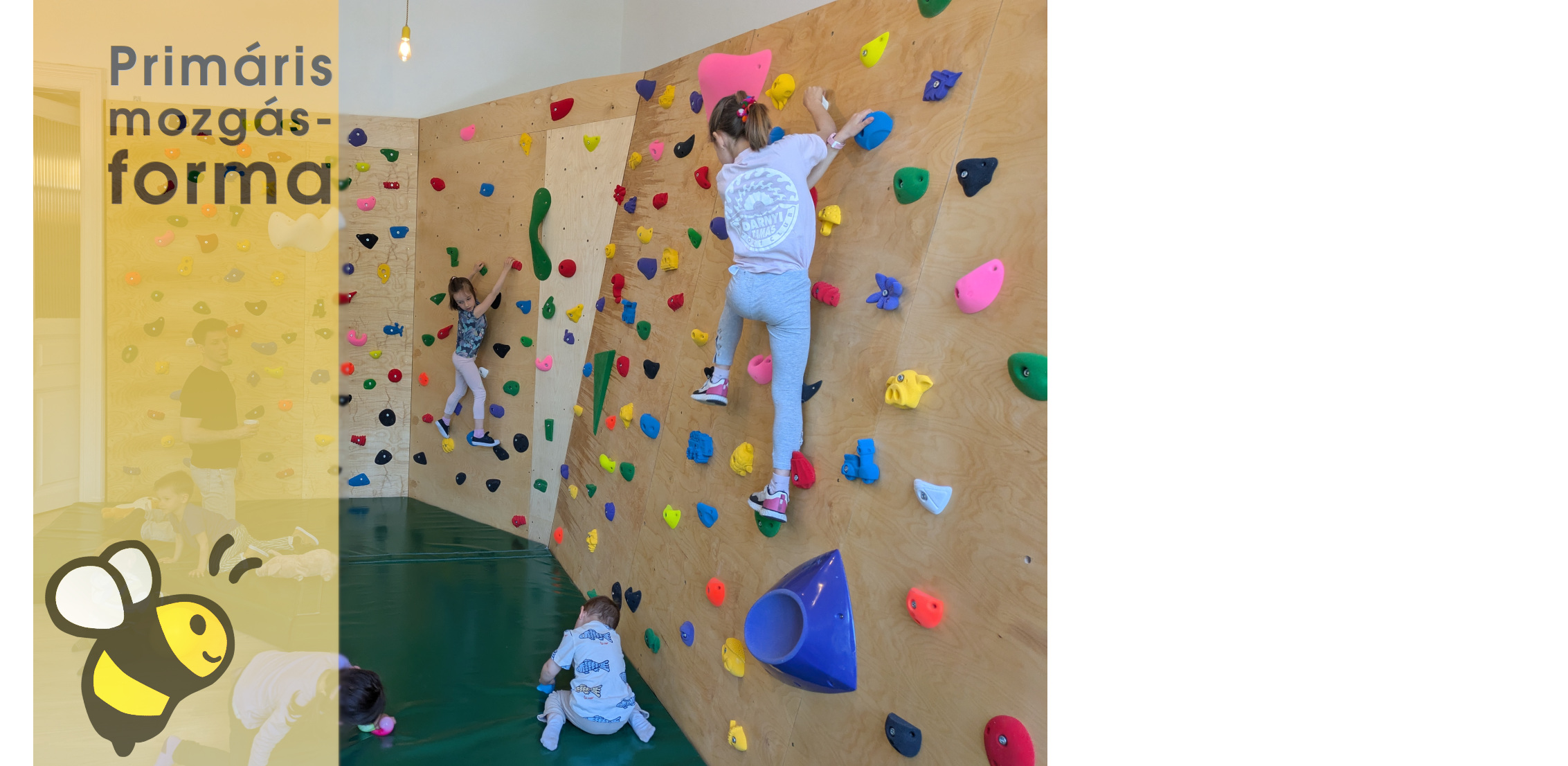
How can a climbing wall help develop concentration?
Using a climbing wall during the therapeutic process not only improves physical fitness and coordination, but also contributes to strengthening concentration, perseverance, and emotional well-being. Through goal-oriented climbing tasks, we provide children with the opportunity to confidently and effectively navigate challenges, thereby promoting lifelong learning and the unfolding of inner resources.
By integrating the climbing wall, our development center offers a dynamic, engaging tool that aligns with Montessori principles and therapeutic goals. It not only develops physical strength and coordination, but also supports concentration, resilience, and emotional well-being. Through targeted, practical climbing activities, we give children the opportunity to confidently and clearly navigate challenges, laying the foundation for lifelong learning and success.
1. Physical exercise and concentration
Practical, purposeful activity promotes concentration. In addition, climbing requires full-body involvement, coordination, and problem-solving, intensively developing children’s attentional abilities. Exercises performed on the climbing wall specifically develop motor skills, balance, and physical strength. These activities require mental focus, such as grasping a specific hold or balancing through a challenging section. During climbing, children must plan their route and execute their movements, which naturally develops attentional skills.
2. Reducing overstimulation
Climbing provides a tangible, real physical experience, minimizing sensory overload.
The calm, structured environment supports deep learning, placing the wall at the center and allowing children to immerse themselves in the task without external distractions. The therapeutic benefit of this is that for children struggling with anxiety or emotional difficulties, the repetitive, rhythmic nature of climbing can have a calming effect.
Nervous system regulation: The wall’s pre-planned structure and the physical exertion help regulate the nervous system, reducing hyperactivity and promoting calm focus
3. Goal-oriented tasks
Children learn best independently, through achievable challenges. The climbing wall can be used not only for physical challenges, but also combined with cognitive tasks, making the learning process even more effective.
Using the climbing wall with cognitive tasks: Climbing routes can be designed at different difficulty levels and supplemented with cognitive tasks that children must complete both on the ground and on the wall. For example, touching a climbing hold of a specific color or shape, or solving a task while progressing on the wall. This method not only develops physical skills, but also strengthens attention, problem-solving ability, and multitasking skills.
Therapeutic benefit: By carrying out cognitive tasks combined with climbing, children can face more complex challenges that simultaneously develop their physical and mental abilities.
4. Mind–body connection
Movement and cognition are closely linked.
Using the climbing wall: During climbing, children need critical thinking to plan their movements while remaining physically active. This dual focus strengthens the mind–body connection, improving spatial orientation, problem-solving, and concentration.
Therapeutic benefit: Movement therapists can improve proprioception (body awareness) and vestibular (balance) processing on the wall, which are essential for focus and coordination. It not only moves the body, but also strengthens the mind. Children must remain in the present moment to monitor their movements, body position, and environment, thereby ensuring safe climbing of the wall.
5. Social interaction and communication
Collaborative learning promotes emotional and social development.
Using the climbing wall: Climbing can also be a group activity, where children take turns climbing, encourage one another, and communicate about strategies. This social interaction requires focus and active listening—skills that are useful in school and personal situations as well.
Therapeutic benefit: It strengthens social skills such as teamwork and communication, increases self-confidence and self-esteem through shared successes, develops focus and active attention during strategic collaboration, and improves problem-solving skills through rapid decision-making. In addition, achieving shared goals and mutual support creates positive group dynamics that are useful in everyday situations.
6. Sensory integration
Sensory experiences are key to cognitive and emotional development.
Using the climbing wall: During climbing, the tactile feedback of the holds, the visual challenges of route planning, and the vestibular stimuli of movement all contribute to the development of sensory integration. This multi-sensory activity helps children better regulate their attention and remain in the present moment, promoting awareness and concentration.
Therapeutic benefit: For children struggling with sensory processing disorders or ADHD, the climbing wall provides a structured way to release excess energy and improve attention.
7. Building resilience and self-confidence
Independence and self-confidence are strengthened through achievement.
Using the climbing wall: Successfully completing a climbing route gives children confidence and motivation to approach new challenges. This positive feedback encourages them to remain focused and committed.
Therapeutic benefit: Using climbing can help overcome fears, manage stress, and build resilience. The wall becomes a safe space for children where they can practice various coping strategies.